Paediatric Emergency Medicine

Sexual health

Respiratory system

Pharmacology and poisoning

Pharmacology and toxicology form a vital component of Emergency Medicine practice and a high-yield area in the MRCEM SBA exam. Emergency clinicians encounter patients affected by therapeutic drug use, adverse reactions, overdoses, and toxic exposures every day — from paracetamol ingestion to organophosphate poisoning or opioid toxicity. Understanding how drugs act (pharmacodynamics), how the body […]
Palliative and end of life care

Pain & sedation

Oncological Emergencies

Oncological Emergencies – Introduction Oncological emergencies are an important and increasingly common part of Emergency Medicine, reflecting both the rising incidence of cancer and advances in cancer therapy. In the MRCEM SBA exam, these conditions are high-yield because they test a candidate’s ability to recognise time-critical complications, deliver early stabilisation, and coordinate multidisciplinary care with […]
Obstetrics & Gynaecology

Obstetrics and Gynaecology – Introduction Obstetric and gynaecological emergencies form a vital component of Emergency Medicine practice and are frequently tested in the MRCEM SBA exam. The emergency physician must be able to recognise and manage life-threatening complications of pregnancy—such as ectopic pregnancy, ante-partum and post-partum haemorrhage, pre-eclampsia/eclampsia, and maternal sepsis—as well as acute gynaecological […]
Neurology
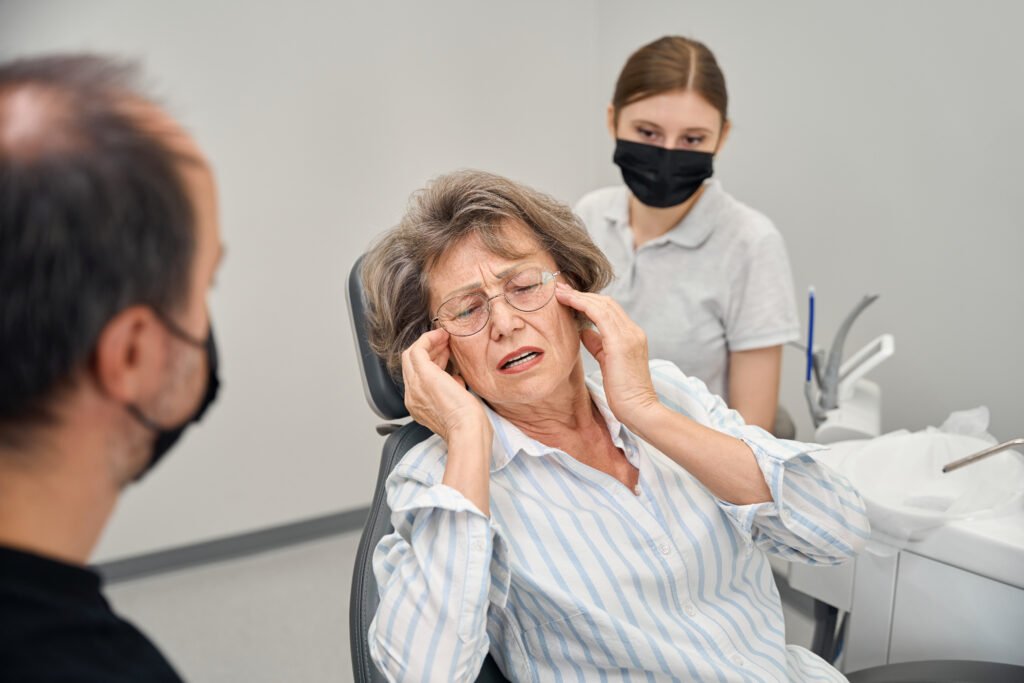
Introduction Neurological emergencies represent some of the most time-critical and high-stakes scenarios encountered in Emergency Medicine. In the MRCEM SBA exam, neurology is a core, high-yield system, testing your ability to rapidly recognise life-threatening but potentially reversible conditions such as stroke, status epilepticus, subarachnoid haemorrhage, meningitis, and raised intracranial pressure. A strong foundation in neurology […]
Nephrology
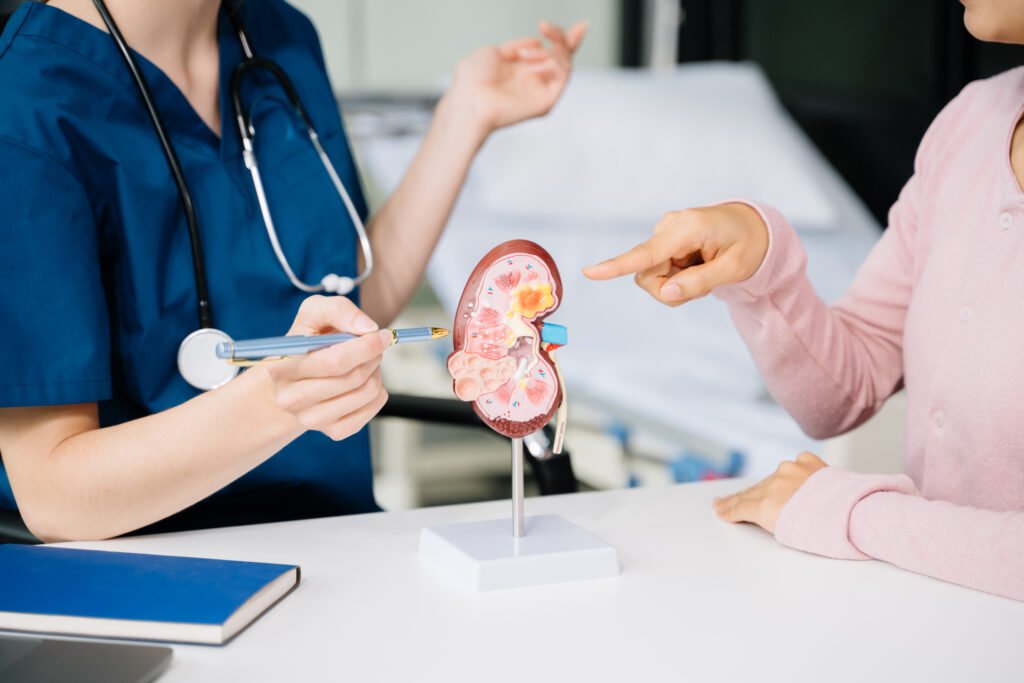
The Nephrology chapter of the RCEM curriculum focuses on recognising and managing acute and life-threatening renal disorders that commonly present to the Emergency Department. For MRCEM SBA preparation, this topic is particularly important because renal dysfunction often underpins multiple emergency presentations — from electrolyte imbalance and acid–base disturbance to acute kidney injury, sepsis, shock, and […]