Haematology
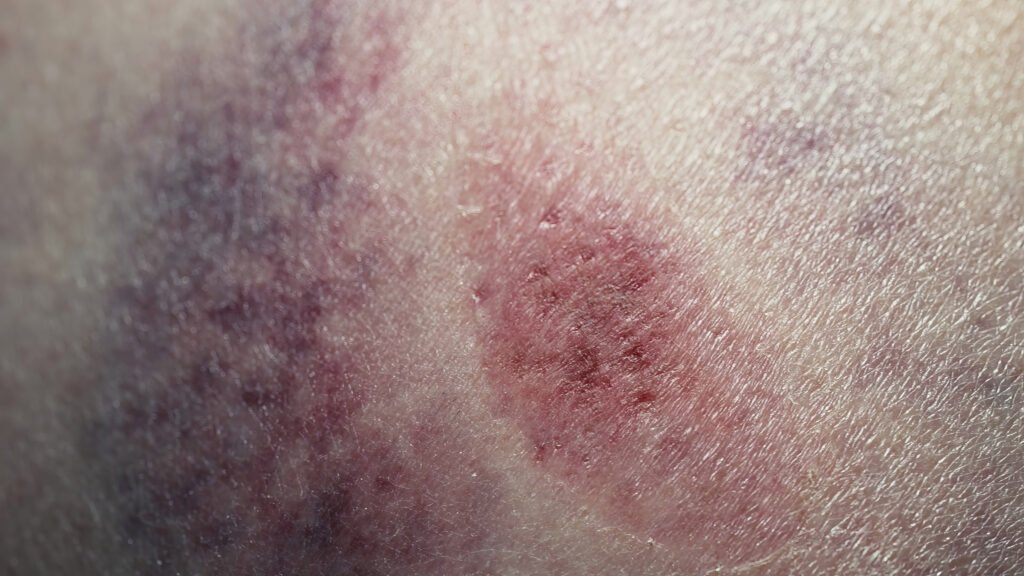
Haematology – Why It Matters in the MRCEM SBA Exam Haematological conditions frequently appear in the MRCEM SBA exam, often as systemic emergencies or laboratory interpretation questions that test both clinical reasoning and pattern recognition. Understanding haematology is essential not only for safe emergency practice but also for managing high-risk presentations such as massive haemorrhage, […]
Gastroenterology and hepatology

The Gastroenterology and Hepatology section of the RCEM syllabus is a cornerstone of emergency medicine, reflecting the wide range of abdominal and hepatic presentations seen in the ED. From upper and lower GI bleeding to acute liver failure, pancreatitis, and inflammatory bowel disease flares, these conditions demand rapid recognition, resuscitation, and safe referral. In the […]
Environmental emergencies

The Environmental Emergencies section of the RCEM syllabus focuses on conditions where external factors — such as temperature extremes, electrical or chemical exposure, and drowning — threaten life. Though less common, these topics are high-yield in the MRCEM SBA exam, as they test your ability to apply physiology and resuscitation principles to unusual yet critical […]
Endocrinology

The Endocrinology section of the RCEM syllabus is often underestimated but plays a vital role in the MRCEM SBA exam. Many endocrine disorders — such as diabetic ketoacidosis (DKA), hypoglycaemia, thyroid storm, and adrenal crisis — present as acute medical emergencies that require rapid recognition and targeted treatment in the Emergency Department. SBAs frequently test […]
Elderly care/ frailty

Elderly Care — Introduction for MRCEM SBA Elderly care is a vital component of Emergency Medicine, as older adults represent a significant proportion of ED attendances and often present with atypical, multifactorial, and high-risk conditions. For the MRCEM SBA exam, this topic assesses your ability to recognise how ageing physiology, frailty, and polypharmacy alter both […]
Ear, nose and throat

Ear, Nose, and Throat (ENT): MRCEM SBA Overview The ENT section of the MRCEM SBA exam tests a candidate’s ability to recognise and manage common but potentially life-threatening presentations that frequently appear in the Emergency Department.These include airway-compromising infections (such as epiglottitis, peritonsillar abscess, and Ludwig’s angina), foreign bodies, epistaxis, and acute hearing or vestibular […]
Dermatology
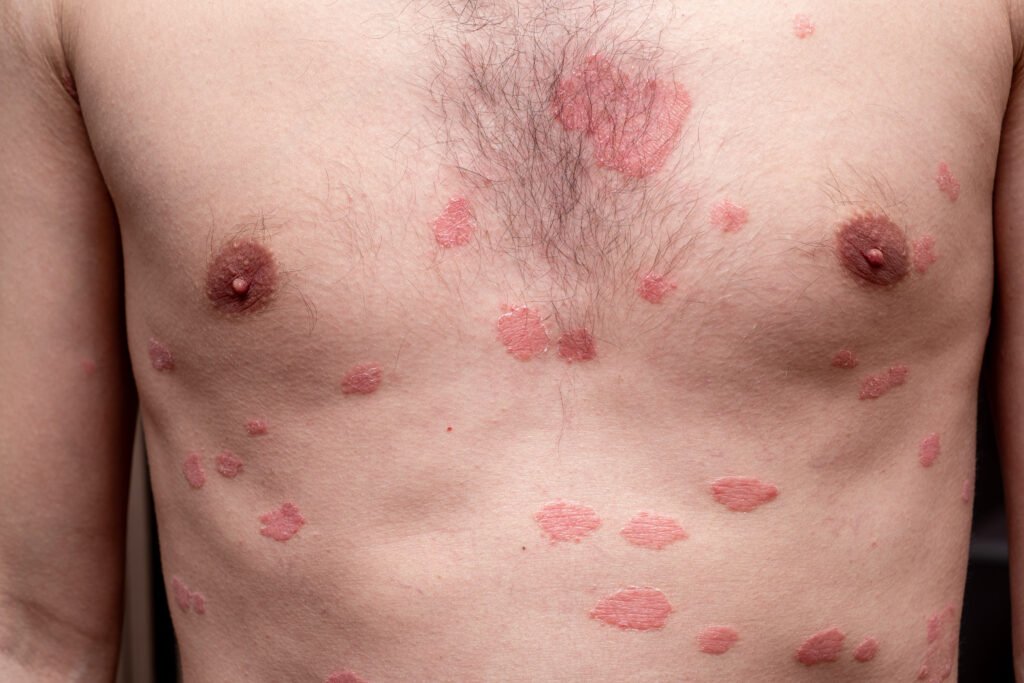
Dermatological conditions frequently present to the Emergency Department, often as rashes, infections, or allergic reactions. While most are benign, some carry life-threatening implications — such as Stevens–Johnson syndrome, toxic epidermal necrolysis, necrotising fasciitis, meningococcal rash, and anaphylaxis-related urticaria. For the MRCEM SBA, candidates should focus on the recognition of key dermatological patterns, their underlying causes, […]
Cardiology

Cardiology is one of the core areas in the MRCEM SBA exam, reflecting its significance in emergency practice. From interpreting ECGs and managing acute coronary syndromes to recognising life-threatening arrhythmias, cardiac emergencies demand swift, confident decision-making. A firm grasp of cardiology ensures safe, effective management of some of the most critical presentations seen in the […]
Allergy

Allergy is a vital topic in Emergency Medicine, as allergic reactions can range from mild rashes to life-threatening anaphylaxis. A solid understanding of recognition, rapid assessment, and evidence-based management is crucial for every clinician. In the MRCEM SBA exam, allergy questions often test your ability to identify early warning signs and initiate timely, life-saving interventions.